
Course Content and Structure
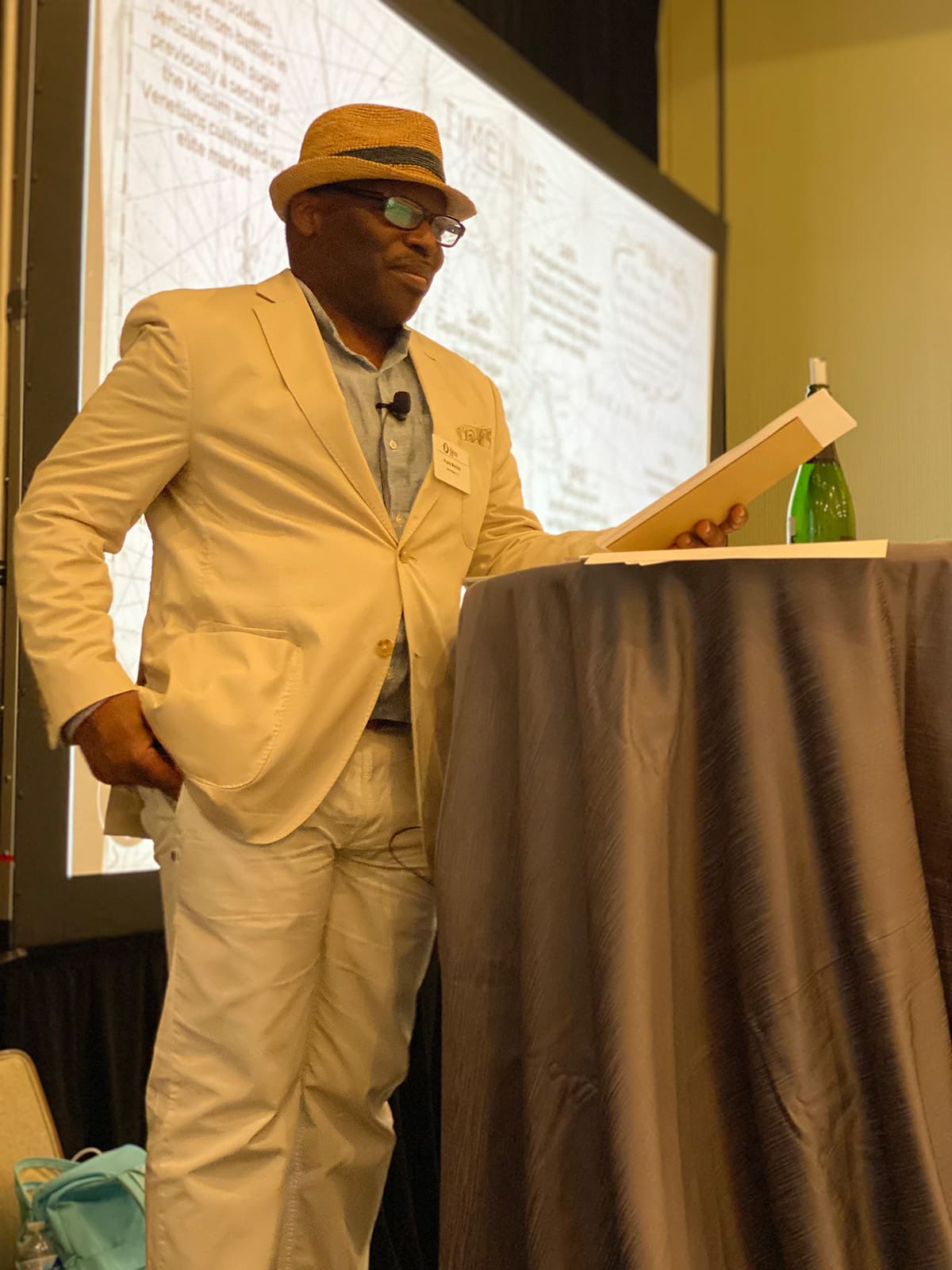
The Introductory Sommelier Course is available both in-person, spanning two days, and online, spanning up to six months. The curriculum covers essential aspects of wine study, including the Court of Master Sommeliers Deductive Tasting Method and Service Standards. The course is exclusively taught by experienced Master Sommeliers.
Students attending the two-day in-person course should come prepared with theoretical knowledge of the world of wine and beverage and the basics of wine sales and service in a hospitality setting.
Pricing:
In-Person Introductory Sommelier Course and Examination (includes wines): $949
Online Introductory Sommelier Course and Examination (wines sold separately): $649
Who Should Attend This Class
Registration for the in-person Introductory Sommelier Course is open to anyone 21 or over in the hospitality, wholesale, and retail sectors of the food and beverage industry, anyone considering a career as a professional sommelier, or anyone interested in learning more about wine.
Please see the Examination Site Policy that defines where a student may attend depending on geographic location and exam history.
Preparation
- A student’s success in the in-person Introductory Sommelier Course and Examination will depend on a combination of career experience and level of preparation.
- It is expected that students come prepared having reviewed and studied the topics covered in the Introductory workbook. Upon enrollment, students receive access to download the Introductory workbook.
- In preparation, prior to enrollment, it’s recommended that students acquire a general guide to wine to learn about the major wine producing countries and regions. The basic points of beer and spirits production should be covered as well. Review the Introductory Recommended Study Resources for suggested study materials.
In-Person Course and Exam Details
- The Introductory Sommelier Course and Examination takes place from 8:00 AM – 6:00 PM over two days. The exam takes place at approx 4:00 PM on day two, followed by the results and sparkling wine reception.
- The course is intense and fast-paced, covering a lot of information (and by no means all) about the world of wine and other beverages, as well as several tasting exercises, and wine service demonstrations.
- The examination consists of 70 multiple-choice questions reflecting the content of the course and workbook and must be completed within 45 minutes. A minimum score of 60% is required to earn the Introductory Sommelier Course and Examination certificate and lapel pin.
- After passing the Introductory Sommelier Course and Examination, students are eligible to sit the Certified Sommelier Examination (consisting of three sections: Theory, Tasting and Service).
- The CMS-A no longer requires that students take the Certified Sommelier Examination within three years of the Introductory Sommelier Course and Examination. We encourage students to move to the next level when best prepared.
Students who successfully complete the Introductory Examination have achieved the following:
- Received intensive instruction from a team of Master Sommeliers
- Received an overview of all the major wine growing regions of the world, as well as key information on spirits, beer, saké and correct wine service
- Passed the Introductory Sommelier Examination
- Are capable of discussing with confidence a comprehensive range of beverages
- Learned the Court of Master Sommeliers Deductive Tasting Method (DTM). The DTM is an integral part of the Certified, Advanced and Master Sommelier Diploma Examinations.
- Skills acquired during the Introductory Sommelier Course will enable Sommeliers to recognize wine quality at a basic level
- Received appropriate direction in preparing for the Certified Sommelier Exam, which is the prerequisite for undertaking study for the Advanced and Master Sommelier levels.
Scholarships
The CMS-A is firmly dedicated to creating and providing educational and advancement opportunities to individuals seeking to enhance their beverage knowledge that may be experiencing financial hardship or encountering barriers to wine education.
Is the In-Person or Online Introductory Course right for me?
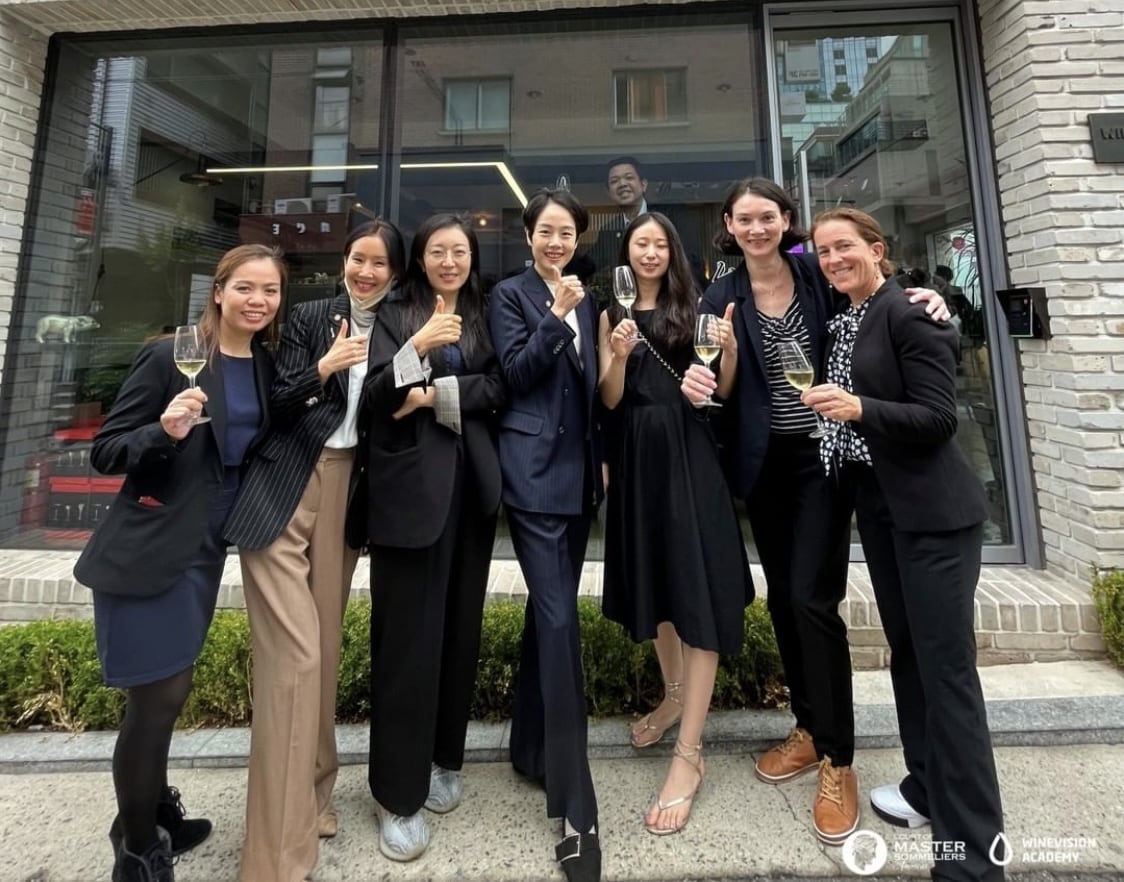
Choosing between the in-person or online Introductory Sommelier Course is a common dilemma that many students face. Even though both courses cover the same material, they each have different and unique benefits. The choice between the in-person course spanning approximately a day and a half and an online option spanning up to six months depends on your learning style, schedule, and preferences. Click here to learn about some considerations for each option.
