
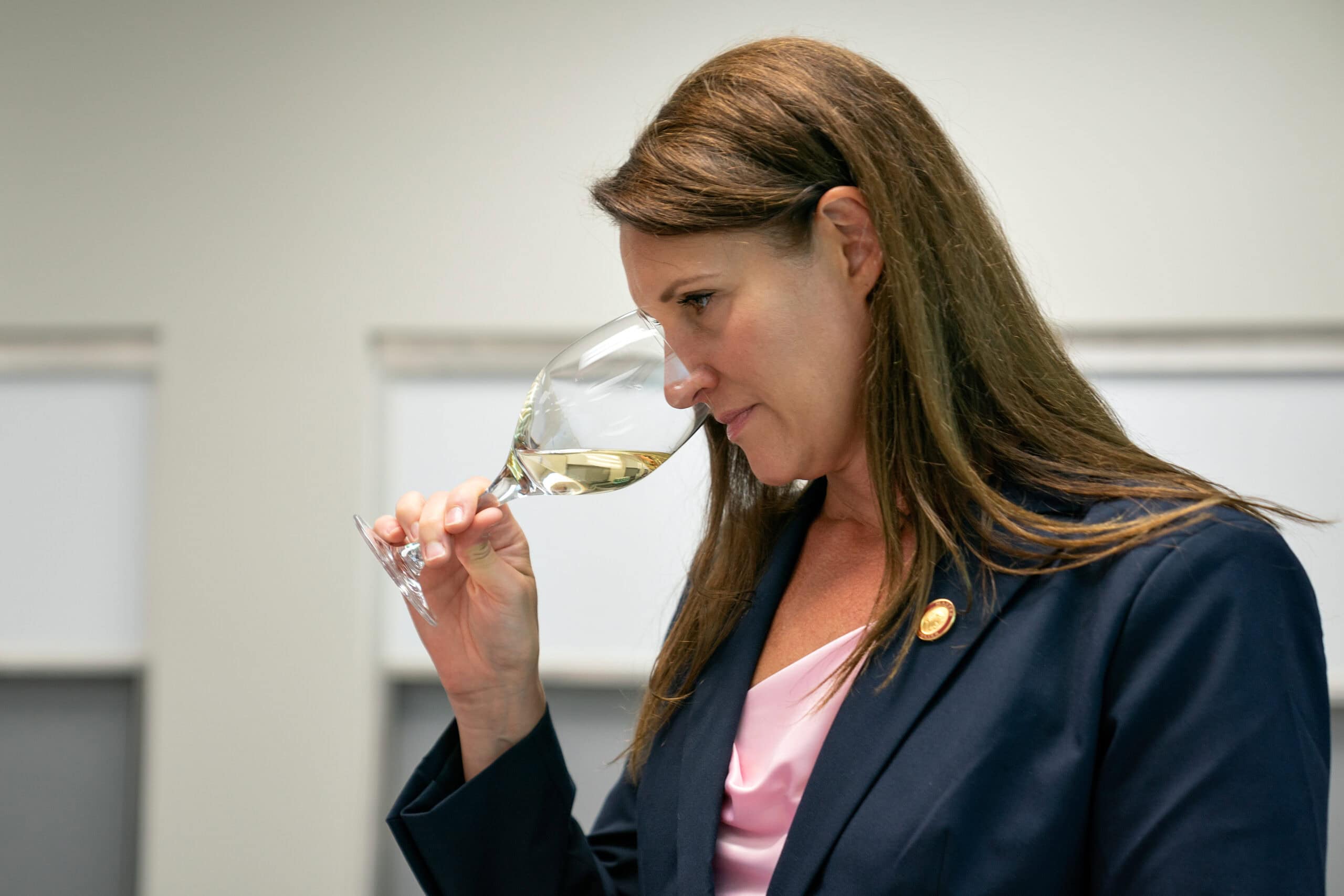
Have you ever swirled a glass of wine, taken a sip, and struggled to find the right words? Describing wine is a skill, not a gift some people are born with, and like any skill, it can be learned. This guide walks through the vocabulary, the science behind flavor, and the simple three-step method Master Sommeliers use to taste and talk about wine, so the next time you love a bottle, you’ll know exactly why.
Tasting vs. Drinking
Tasting and drinking wine can look identical from across the table, but the difference comes down to intention. When you drink wine, you’re simply enjoying it. When you taste wine, you slow down: you look at it before you smell it, smell it before you sip it, and pay attention to what you notice rather than only whether you like it.
It’s also why you’ll see wine professionals spit after each pour at a tasting. They’re sampling the wine to assess it; they’re not drinking it. It keeps the palate fresh through dozens of wines in a row.
The difference is being challenged with describing a wine to someone using descriptive words, as opposed to simply drinking and enjoying the wine.
That same slowdown points to another useful distinction: observation versus preference, or objective versus subjective. An observation is your assessment of what’s actually in the glass, the color, the aromas, the flavors, how it feels in your mouth. A preference is your opinion about all of that. You don’t have to like a wine to describe it well. Two tasters can agree completely on what a wine tastes like and still disagree on whether they enjoy it. Separating what you notice from what you like is one of the first skills every sommelier builds, and it comes in handy anytime you’re helping someone else find a wine they’ll enjoy, not just one you’d pick for yourself.
Your Palate Is Trainable
None of this requires a gifted nose. A common myth is that some people are simply born with a great palate. In reality, tasting is a learned skill, and it improves with attention and repetition like any other. Your sense of smell is closely tied to memory: your brain compares every new aroma to everything it has smelled before, so if you’ve never paid attention to a scent, it’s harder to name it in a glass of wine.
You can build that memory in everyday life. Smell each ingredient individually while cooking. Slow down in the grocery store’s produce and spice aisles. At first, a wine might just smell like wine, and that’s completely normal. With practice, you’ll notice something more general, like red fruit or fresh herbs. Eventually, you’ll get to the specifics, like cherry or cranberry, tart or ripe. That’s how the skill develops.
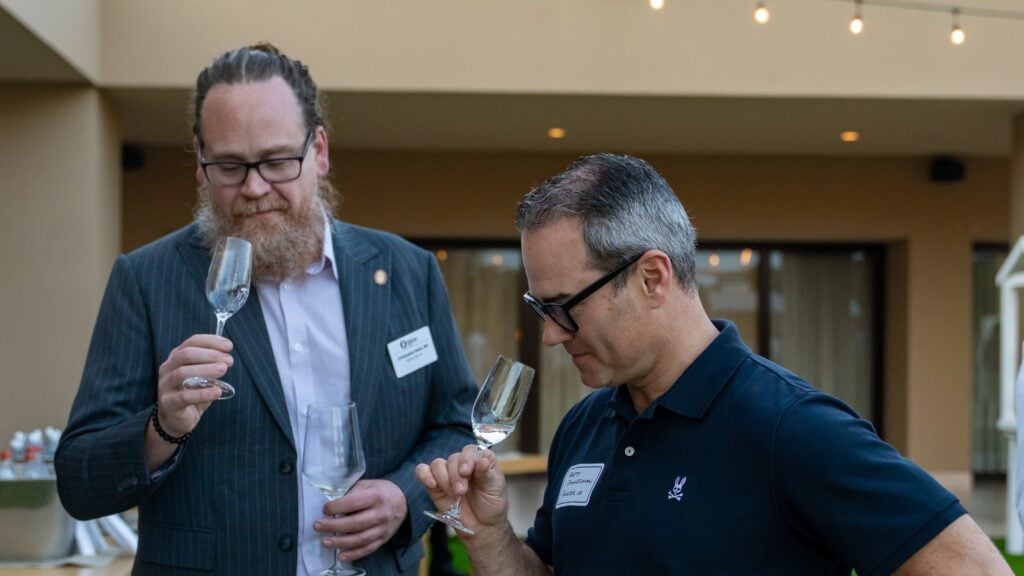
Essential Wine Vocabulary Every Enthusiast Should Know
With that muscle warming up, it helps to have the words ready too. A handful of common wine tasting terms cover most of what you’ll ever need for wine descriptions:
- Aroma: What the wine smells like. Aromas come mostly from the grapes, but also from the process of how the wine was made and what it was aged in.
- Body: How full or light the wine feels in your mouth, from watery to as rich as cream. Alcohol and residual sugar usually drive that weight.
- Sweetness: Dry wines have no noticeable sugar, off-dry wines have a little, and sweet wines have a noticeable amount.
- Acidity: This makes your mouth water and gives a wine its lift. Riesling, Chablis, and Sauvignon Blanc are good reference points for what high acidity feels like.
- Tannin: The drying, gripping sensation you feel mostly in red wine, similar to oversteeped black tea. It comes from grape skins and also from oak.
- Alcohol: Shows up as warmth in your throat and chest; higher-alcohol wines tend to feel fuller in the body.
- Finish: What lingers after you swallow or spit. A long finish persists for several seconds; a short one fades fast. Longer finishes suggest higher-quality wines.
Once you can spot these seven elements in a glass, you already have more descriptive range than most people who order wine every week.
Looking to Learn Everything There Is to Know About Wine?
Talking About Wine With Other People
Knowing the vocabulary is one thing. Using it in a real conversation is another, because people don’t always use wine words the same way. A server might ask if you like your wine dry, and mean something very specific: little to no residual sugar. A guest might use the word dry to mean something closer to “not fruity,” which is a different quality altogether.
The same goes for words like smooth or fruity. One person’s smooth might describe soft tannin, while someone else means low acidity or even just a wine they enjoyed. Neither person is wrong. They’re just drawing on different reference points.
The goal in these moments isn’t to correct anyone’s language. It’s to meet them where they are and ask a clarifying question. If someone says they want something smooth, a simple follow-up, like whether they mean soft on the tannin or lighter overall, gets you both on the same page quickly.
Where Wine's Flavor Actually Comes From
Now that you know what to look for, it helps to know where it comes from. Every wine’s flavor traces back to three things: the grape variety, where it grew, and the choices made in the winery.
Each grape has its own natural tendencies. Sauvignon Blanc leans citrusy and herbal. Chardonnay is fairly neutral on its own, which is exactly why winemaking shapes it so dramatically from bottle to bottle. Cabernet Sauvignon is the reference point for structured, full-bodied red wine: deep color, firm tannin, and flavors of blackberry, ripe black currant, and green bell pepper.
Pinot Noir sits at the lighter end of the red wine spectrum, with lower tannin, softer texture, and notes of black cherry, red plum, cola, and tea. Merlot lands in between, with plum and cherry flavors and gentler tannin. Syrah tends toward dark fruit, pepper, and smoke, while Malbec often shows plush dark fruit with a touch of cocoa, giving you a wider frame of reference across the full range of red wine styles.
Climate pushes those natural tendencies further. A cool-climate Sauvignon Blanc, like one from France’s Loire Valley, tends to taste tart and grassy. The same grape grown somewhere warmer, like New Zealand, ripens further and shows riper, more tropical fruit with less tang. The same principle holds across grape varieties: cooler growing seasons tend to preserve acidity and produce more restrained fruit, while warmer ones push ripeness and richness further.
Winemaking decisions finish the job. Aging in new oak barrels adds vanilla, baking spice, and toast aromas and flavors. Stainless steel preserves a wine’s pure, fresh fruit character. Malolactic fermentation rounds out texture, and extended aging on the lees can give some whites an almost olive-oil richness. None of it is accidental. Every choice in the cellar shows up in the glass, which is why the same grape can taste so different depending on who made it and where.
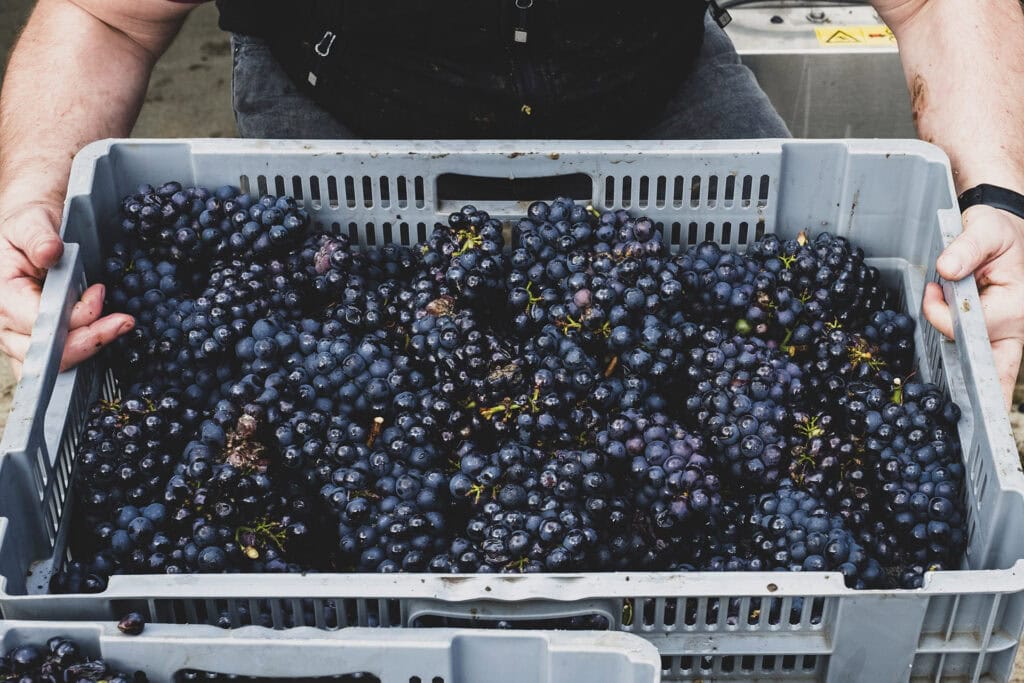
A Simple, Repeatable Tasting Method: Look, Smell, Taste
With the vocabulary and the “why” in hand, all that’s left is a method to put it into practice. Professional tasting notes all come from the same three steps, repeated the same way every time:
- Look: Check the color and how deep or pale it is. Color hints at grape variety, climate, and age; deeper reds often come from thicker-skinned grapes or warmer growing seasons.
- Smell: Swirl the glass to release the aromas, then start broad: fruit, or something else? Then narrow it down. What kind of fruit? Tart, ripe, or dried? Are there floral, herbal, spice, or earthy notes underneath? Some lees-aged whites even show a creamy, olive-oil quality in the aroma.
- Taste: Take a small sip and let it move around your mouth. The first sip wakes up your palate; the second is when you actually taste with intention. Look for the same fruit and non-fruit categories you noticed in the aromas, then check the structural elements: sweetness, acidity, tannin, alcohol, and body. Finally, notice the finish, how long the flavor and sensation stick around after you swallow or spit.
A good tasting note doesn’t need to be long. It just needs to move through these steps in order: color, aroma, flavor, structure, finish. For white wines, that usually means describing acidity and aromatics: citrus, stone fruit, herbs, florals, and whether the wine feels lean or rich. For reds, it usually means describing fruit character, tannin, and body: is this a light, fresh red, or a structured, powerful one?
Here’s what that looks like in practice. A Sauvignon Blanc might read: pale straw color, aromas of grapefruit and fresh-cut grass, high acidity, and a short, zesty finish. A Cabernet Sauvignon might read: deep ruby color, aromas of blackberry and green bell pepper, firm tannin, full body, and a long finish with lingering dark fruit. Neither note is complicated.
Advanced Descriptive Terms for Wine Complexity
As your palate develops, a few more advanced terms are worth having on hand. Minerality describes a stony, almost saline quality found in certain whites grown in particular soils, like Chablis or Sancerre. Savory describes earthy, non-fruit character, like leather or dried herbs, often found in aged reds or wines like Nebbiolo and Grenache. Unctuous describes a rich, almost oily texture, common in certain dessert wines or lees-aged whites.
You’ll often hear these terms on restaurant wine lists or from a sommelier describing a bottle before you order. They’re not meant to sound exclusive. They’re shorthand for a specific sensation that a shorter, simpler word wouldn’t capture as precisely.
These words take practice to use well, and that’s fine. The goal is to describe as accurately as possible what’s actually in the glass.
Common Mistakes to Avoid
The most common misstep is defaulting to vague words like nice, smooth, or good instead of something specific. Those words describe how much you liked a wine, not what it actually tastes like. Reach for something more precise, even if you’re not fully sure it’s right.
The second is letting outside factors take over. Your mood, what you ate beforehand, and the wine’s serving temperature can all change how it tastes, so it helps to note those conditions alongside your impressions.
Finally, don’t lean too hard on someone else’s tasting notes. Reading them builds vocabulary, but your palate is your own, and your observations are valid even when they don’t match what’s printed on the label.
How Aging Impacts The Taste Of Wine
Wine keeps changing after it’s bottled. In reds built for aging, tannins soften and round out over time, and bright young fruit can shift toward dried fruit, leather, and earthy, savory notes. Not every wine is meant for this. Wines with firm tannin and bright acidity, like many Cabernet Sauvignons and Nebbiolo-based reds, tend to have the structure to develop for years. Lighter reds and most whites are usually best enjoyed while young and fresh.
Ready to Build Your Wine Knowledge?
Learning to describe wine well takes time, but it’s a skill anyone can build with the right method and enough practice. At the Court of Master Sommeliers, our online Introductory Sommelier Course walks you through this exact approach, taught by Master Sommeliers, at a pace that fits your schedule.
