
Pour a Cabernet Sauvignon next to grilled salmon, and the tannins turn metallic against the fish oils. Pour that same Cabernet next to a well-marbled ribeye, and both the wine and the steak taste better together than they did apart. That’s the logic behind wine pairing: certain elements in food react with certain elements in wine, and those reactions are predictable once you know what to look for. Master Sommeliers spend years training their palates to read those reactions on sight, and the Court of Master Sommeliers builds that same skill into every level of its certification program, from the Introductory Sommelier Course through the Master Sommelier Diploma.
Table of Contents
- Pairing by Complement and Contrast
- How Acidity, Tannins, Sweetness, and Body Affect Food Pairing
- When the Label Tells You What to Cook
- White Wines: From Crisp Pinot Grigio to Oaked Chardonnay
- Red Wines: Pinot Noir Through Cabernet Sauvignon
- Sparkling and Dessert Wine Pairings
- Pairing by Season and Occasion
- Where Pairings Fail and How to Fix Them
Pairing by Complement and Contrast
Most food and wine pairing falls into one of two categories: complementary or contrasting.
A complementary pairing matches flavors and/or textures that are in the wine to flavors and/or textures that are in the food. Think of an herbal, grassy Sauvignon Blanc next to a dish built on fresh herbs, or a citrus-forward white beside a lemon-dressed piece of fish. A contrasting pairing works the opposite direction: a crisp, high-acid white cuts through a rich, fatty dish, so the food tastes lighter and the wine tastes crisper than either would on its own.
Deciding between the two comes down to what’s loudest on the plate. Rich, fatty, salty, or spicy dishes usually call for contrast, since the wine’s job is to cut through rather than compete. Lighter, herb-driven, or citrus-forward dishes tend to pair well with a complementary wine that echoes their flavors.
Weight matters just as much as flavor. A delicate poached fish disappears under a rich, tannic red or a heavily-oaked white. A charcoal-grilled ribeye strips a fragile rosé of everything it has to offer, needing a riper or more deeply-colored Rose for the pairing to work. Matching the weight of the wine to the weight of the dish, not just the flavor, is a skill built through structured tastings and guided instruction.
How Acidity, Tannins, Sweetness, Body, and Alcohol Affect Food Pairing
Complementary and contrasting flavors and textures explain the strategy. The next question is why these reactions happen at all, and that comes down to five structural elements in wine.
Wine structure is physical. Acidity, tannins, sweetness, and body each produce a sensation in the mouth that changes when food enters the picture:
- Acidity: Perceived as a mouth-watering sensation, acidity in wine softens when salt is present in food, which is why high-acid wines work alongside cured meats, briny shellfish, and aged cheeses. When food and wine share high acidity, as in Chianti with tomato-based pasta, the acids soften as well.
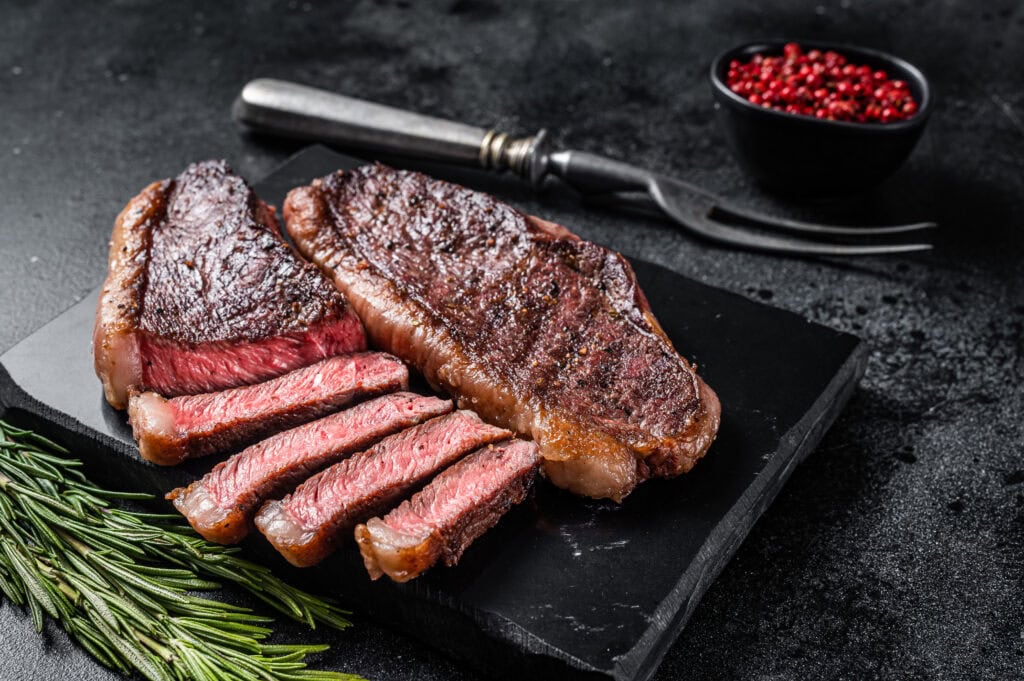
- Tannins: Tannins produce a drying, grippy feeling in your mouth, similar to oversteeped black tea. Fat in food coats the palate and softens that sensation, which is why a high-tannin Cabernet Sauvignon feels smoother alongside a well-marbled steak.
- Sweetness: Residual sugar in wine reduces the perception of spicy heat. With spicy food, a dry wine, especially one higher in alcohol, can make the heat feel more intense.
- Body: The weight of the wine in the mouth should correspond to the richness of the dish. A light-bodied red with good acidity can cut through the richness of short rib and cleanse the palate A full-bodied, oaked Chardonnay overwhelms a simply prepared piece of sole.
- Alcohol: Perceived as warmth in the throat or chest, alcohol becomes more noticeable next to spicy food, which is why high-alcohol reds can make a spicy dish feel more intense rather than less.
When the Label Tells You What to Cook
Europe’s classic wine regions didn’t develop their food pairings in a test kitchen. The same climate and soil that shaped the wine shaped what grew and what ended up on the table nearby, and those combinations were eaten and adjusted daily for centuries. That history is useful information the next time you’re staring down a wine list trying to guess what will work.
Chianti and tomato-based pasta share high acidity, so the wine’s acidity helps it remain balanced alongside the acidity of the tomato sauce rather than tasting dull or soft. Champagne and fried food work because the acidity and carbonation cut through fat and salt, keeping each bite from feeling heavy. Muscadet grew up next to the oyster beds along France’s Atlantic coast, and its bright acidity, minerality, and lower alcohol are exactly what raw shellfish need.
Piedmont’s Nebbiolo, with firm tannins and high acidity, was built for braised meats and rich risottos. Learning to read a label for its regional context is one of the first skills a sommelier develops, and it is one of the fastest ways to make a confident pairing decision without overthinking it.
White Wines: From Crisp Pinot Grigio to Oaked Chardonnay
That regional logic holds up across white wine styles too, once you look at what each grape needs on the plate.
Pinot Grigio and Sauvignon Blanc are high-acid, light-bodied whites that pair well with citrus-dressed salads, goat cheese, grilled fish, and raw or lightly cooked shellfish. Sauvignon Blanc from France’s Loire Valley, particularly Sancerre, carries an herbal and mineral character that pairs naturally with herb-forward dishes, fresh vegetables, and regional cheeses such as Crottin de Chavignol.
Off-dry Riesling adds residual sugar to the equation. That sweetness softens spicy heat and holds up against sweet-savory dishes like glazed pork, charcuterie, and Thai food. Oak-aged Chardonnay moves in the opposite direction: fuller in body and richer in texture, it belongs next to lobster, roasted poultry, and butter-based sauces, where a lighter white would get lost.
Red Wines: Pinot Noir Through Cabernet Sauvignon
Red wines follow the same logic, just with tannin added to the equation.
Pinot Noir’s low tannin and bright acidity give it more range at the table than most reds. Salmon, duck breast, mushroom-forward dishes, and charcuterie all work without the wine overpowering the plate. California and Oregon Pinot Noir lean toward riper fruit and a rounder texture, while Burgundy stays more structured, savory, and firm, though global warming is blurring these distinctions.
Sangiovese and Nebbiolo carry higher acidity and firmer tannins, and without fat and protein on the plate, those tannins feel hard and the acidity reads sharp. Braised meats, aged hard cheeses, and hearty pasta give them what they need to soften. Cabernet Sauvignon carries the highest tannin load of the group, and a well-marbled cut of red meat is what tames it. Serve the wine with a lean protein instead, and the tannins quickly turn harsh, drying, and unpleasant.
Sparkling and Sweet Wine Pairings
Sparkling and sweet wines play by a different set of rules, and knowing those rules opens up pairings most diners never consider.
Sparkling wine is one of the most versatile categories at the table, because carbonation and acidity together cut through fat, salt, and richness in a way still wines can’t match. Champagne and Cava work alongside fried foods, fatty seafood, and salty snacks for exactly that reason.
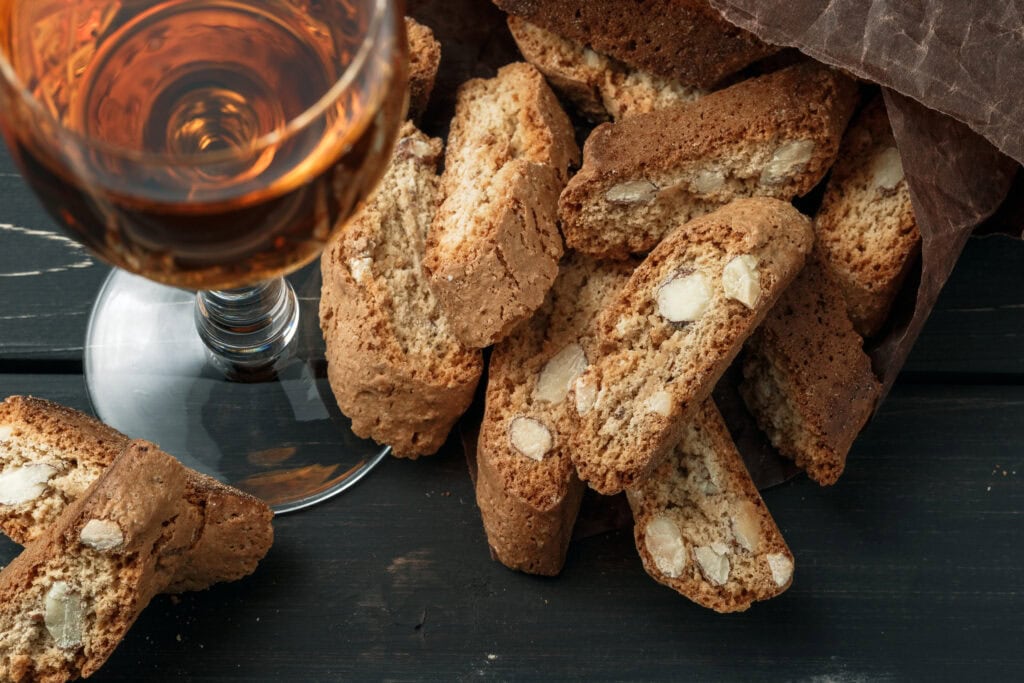
Sweet wines, often called dessert wines for when they’re traditionally served, follow one rule no matter the occasion: the wine needs to be at least as sweet as what it’s paired with. If not, the wine tastes bitter and stripped of fruit. Sauternes alongside foie gras is a classic pairing of matched textures, as both the wine and fois gras are rich & unctuous. Port alongside dark chocolate is a complementary pairing, where the wine’s concentrated fruit balances the chocolate’s weight.
Pairing by Season and Occasion
Wine structure explains why pairings work. Season and occasion decide which structure to reach for.
Seasonal cooking tends to pull a dish’s weight, richness, and dominant flavors in a predictable direction, and the wine selection should follow suit. Master Sommeliers train to read those cues at a glance, and that same skill-building runs through the Court of Master Sommeliers’ education, including the Foundations in Wine Course.
- Summer: Raw preparations, citrus-forward sauces, grilled vegetables, and lighter proteins call for crisp whites, dry rosés, and lighter reds served slightly below room temperature. Off-dry Riesling is a smart pick for gatherings with varied dishes because its residual sugar handles salty, sweet-savory, and spicy foods without clashing.
- Cold-weather: Braises, roasts, and rich sauces need a wine with enough tannin and concentration to stand up on the plate. Fuller-bodied reds with firmer tannins are the call; lighter reds fade against that food.
- Thanksgiving: The turkey is not the pairing anchor. The cranberry sauce, stuffing, mashed potatoes, and gravy are, and that combination of sweet, tart, rich, and savory calls for wines that are fruity, higher in acidity, and lower in tannin. Pinot Noir, Gamay from Beaujolais, richer dry Rosés, and off-dry Riesling each work.
- Celebrations: When one bottle needs to work across an entire table of different dishes, sparkling wine is the call.
Where Pairings Fail and How to Fix Them
Even careful pairings go wrong sometimes, and most failures trace back to one of a handful of predictable causes. Tannin turns metallic against fish oils. Alcohol amplifies chili heat. A dry wine tastes bitter next to a sweet dish. Those failures have chemical causes and direct fixes:
- High-Alcohol Red Wine with Spicy Food: Alcohol and chili heat amplify each other, making the dish feel more intense with every sip. Switch to a wine with residual sweetness, off-dry Riesling, Gewurztraminer, or Prosecco, and the sweetness softens the burn.
- Dry Wine with a Sweet Dish: The sweetness in the food makes the wine taste bitter and stripped of fruit. The wine needs to be at least as sweet as the dish, or the pairing works against itself.
- High-Acid Food with a Low-Acid Wine: The food flattens the wine, making it taste dull and lifeless. A wine with matching or higher acidity stays lively and balanced alongside acidic dishes.
- Tannic Red Wine with Fish: Fish oils react with tannins and produce a metallic, unpleasant sensation on the palate. A low-tannin red or a fuller-bodied white eliminates the problem entirely.
Learn to Pair Wine With the Court of Master Sommeliers, Americas
The Court of Master Sommeliers is among the most prestigious wine credentialing organizations in the world. With four levels of certification from the Introductory Sommelier Course through the Master Sommelier Diploma Exam, the program builds the pairing knowledge and tasting skills that turn curiosity into confidence. Along the way, that credential does what a diploma does in other fields: it tells a hiring manager exactly what a candidate can do.
Every course is taught by Master Sommeliers, a credential only 172 individuals have earned in the organization’s entire history. The instruction stays consistent from the first module to the final exam, because it comes from the people who set the standard.
Frequently Asked Questions
This is one of the most persistent pairing myths out there. White wine does not always pair better with fish than red wine. Tannins in wine produce a metallic sensation against fish oils on the palate, so a low-tannin red like Pinot Noir pairs well with salmon or duck-fat-cooked scallops without issue.
Spicy food needs a wine with residual sugar, since sweetness dulls the perception of heat on the palate. Off-dry Riesling, Gewurztraminer, and Prosecco soften the burn; high-alcohol dry reds make it worse.
Sparkling wine is one of the most food-flexible categories at the table because carbonation and acidity cut through fat, salt, and richness in a way still wines cannot. Champagne works alongside fried food, fatty seafood, and salty snacks for exactly that reason, and an off-dry Prosecco handles spicy and sweet-savory dishes just as well.
